The Light Hands Technique
Lesson
23
of
49

Lesson by
Suellio Almeida
Lesson by
Suellio Almeida
Mark as Finished
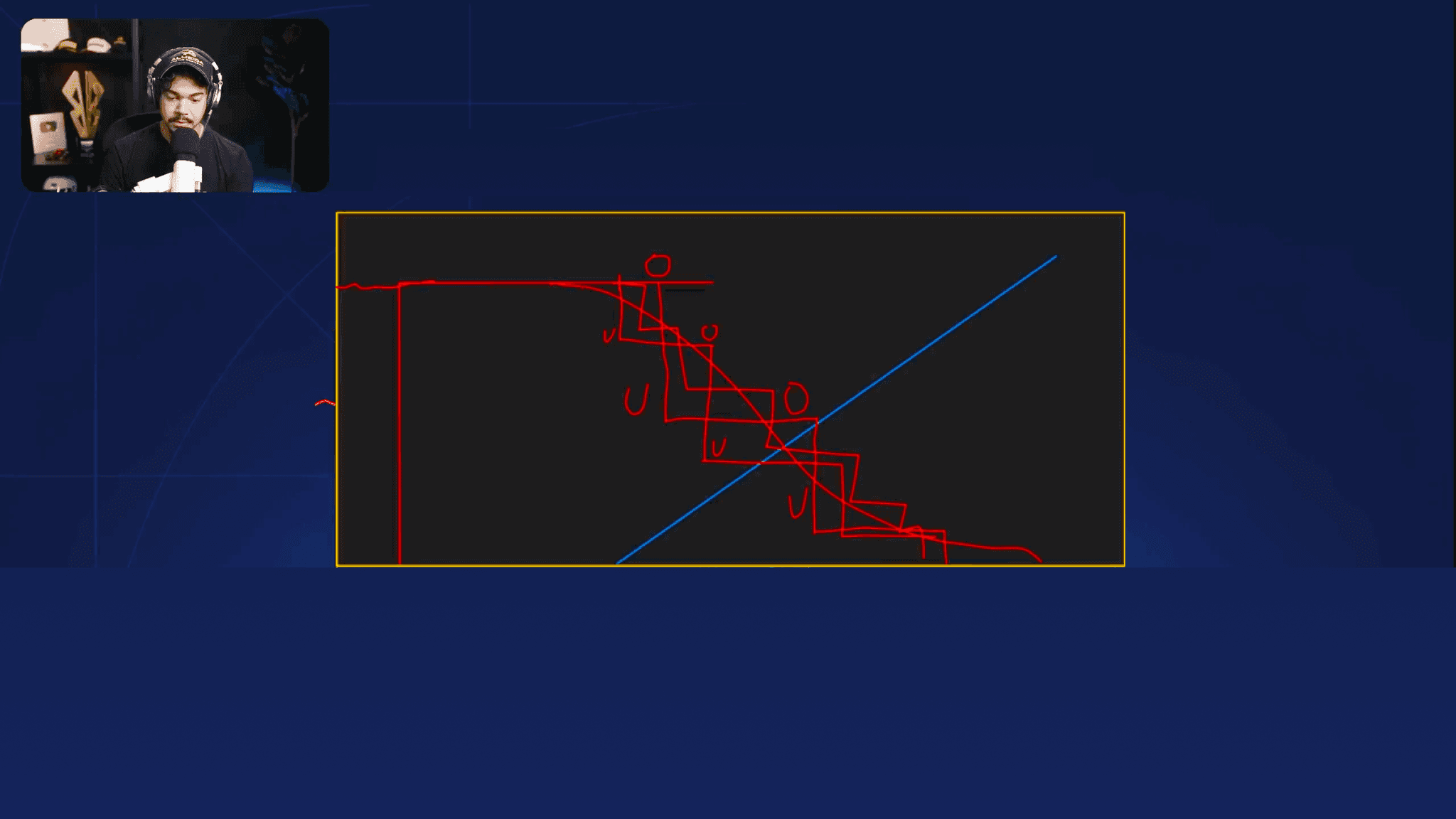
The objective of the light hands technique is to allow the racing driver to feel with the most detail, the most subtle signals from a race car at the most subtle phases of driving on the limit. This technique is a very important part of racing driver curriculum.
When to Apply the Light Hands Technique
The light hands technique is most important during:
Braking
Initial turn-in
Power application and late exit
Little jumps or crests
Curb hitting
Any situation that requires you to be very fast and very reactive
Measuring Front Grip Through Steering Feedback
We can measure and feel how much front grip we have on a race car by feeling the force feedback, by feeling the steering feedback. If you have relaxed enough hands you will be able to communicate with that signal constantly. That does not mean that you have to be extremely relaxed all the time though.
The light hands technique will help you sense the front grip through the steering feedback and then you decide how much you want to force the front tires. Sometimes we can feel that with this amount of force feedback there's this amount of grip and if the car is very loose with the setup then amount of grip will be enough for you to for example get into an oversteer. But sometimes you want to force a little bit of that. Sometimes you want to actually abuse the rears a little bit and then you know prepare for a more aggressive exit or if you're driving in the rain and you want to get the car to slide a little bit more.
The Importance of Having a Choice
The idea with the light hands technique is to allow you to have the choice to feel the force feedback and then decide if you have very firm hands mid-corner or not. But it is very important because on corner entry if you're not aware of how sensitive the steering is under trail braking you might spin and spin and spin and never know why. Especially when you get into an oversteer car on initial turn and the light hands technique is essential. Without it you cannot go fast.
Operating Within Optimal Grip Levels
The light hands technique will be the most useful when you are within the optimal grip levels. This is the most important thing. If you're not on the limit yeah you can be with very firm hands you can kind of ignore what the steering is saying. If you're under steering and you turn a lot more that's fine. You're already over the limit the light hands technique is not going to help you there. But as soon as you get on that very thin line of being on the limit of the front tires and the rear tires it is going to be extremely necessary.
Practical Example: Dive Bomb Maneuver
Let's examine a dive bomb scenario that demonstrates the critical importance of the light hands technique, especially in the most sketchy scenarios.
Breaking Down the Maneuver
In this example, the defending driver moves to block, prompting a last-second decision to go to the inside and dive bomb. The turn begins literally in the breaking zone already, which means starting to brake while turning. With firm hands instead of the light hands technique, this would result in an immediate spin.
Breaking while turning makes you spin very quickly depending on the car, and in real life sometimes it's brutal how fast you can spin. Here's what happens step by step:
Initial turn input is made
Braking begins while already turning
Hands relax immediately as soon as the brakes are touched
The force feedback now guides the steering angle
The driver fights against it only a tiny bit to help guide the car
Self-Correcting Through Relaxed Hands
Because braking started while cornering, the car begins oversteering immediately. The correction that occurs is not a deliberate driver input - the actual steering fixes itself because the driver allowed it to by relaxing the hands. This demonstrates that turn in and initial breaking is where it really matters to have your relaxed hands.
After this correction, there is still some pulling - the driver is not fully relaxing. The point is never to fully, fully, fully relax your hands. The goal is to relax your hands so that you're able to apply only the amount of force that will actually have an effect on the car. If you apply a lot of force then that's way too much.
Understanding Torque in Neutral Meters
Let's measure force in neutral meters to understand this better. Let's say the force feedback as soon as you turn four is going to give you eight back, right? So four minus eight equals minus four, which means the steering actually goes to the left. In that case, the driver is still keeping the four because only minus four is wanted.
If there was a sudden full relaxation of hands, the result would be hitting the car on the left because that would be actually eight neutral meters to the left and the car would try to go straight. It tries to go straight if you have nothing on the steering.
By relaxed hands we mean apply only the amount of torque on the steering that you want. In this example, the desired amount might be four neutral meters, and that's relaxed enough to communicate with the car and just see what the car wants to do. After the correction while still relaxed and braking, trail braking begins and the hands are not that much relaxed anymore. So it's mostly important on initial braking and initial turn-in, and then after that the car can take a little bit more steering and you can force a little bit more. Not so much but a little bit more.
Practical Example: Grass Avoidance Scenario
Here's another example demonstrating how the light hands technique saves a critical situation.
The Situation
Exiting a blind corner, another car for some reason does not hit his brakes and lets the car roll back to the track. This creates an imminent collision scenario. A left turn is necessary but not too much - there's a very easy possibility to crash or even spin on the inside here.
The Recovery
The solution involves turning left a little bit but then having to slow down. Going flat is not possible because the car is on the grass with only two tires at full speed, approximately 210 kilometers per hour. This allows just avoiding the crash.
When turning back to the track, extremely relaxed hands are essential. It looks like a lot of turning is happening, but there's immediate relaxation after. There's a lot of movement because the grass is very bumpy so the steering itself is going crazy, but in the end the hands are mostly relaxed and turning just enough to not cause the car to spin.
The Danger of Aggressive Inputs
If you are on the grass and you turn aggressively away from the grass and back onto the track, it's very easy to spin because the rear tire is on the grass too and that's the tire that's responsible for holding the rotation from the car, resisting the rotation. In that case, coming back slowly is necessary - you can't turn all the way. That's why a slow return to the track is required.
Key Takeaway
These examples show how relaxed hands are really really important and how understanding that you can't force the steering in every moment is critical. Sometimes the steering is extremely sensitive and relaxing your hands and allowing yourself to decide with your hands whether you apply one meter of torque or two or four or ten or fifteen is extremely extremely useful and extremely necessary if you want to be a very very precise car driver.
In the next lesson we are going to talk about active versus passive counters tier which is kind of a way of breaking down the light hands technique in a more practical way that you can literally test and practice on track.
The objective of the light hands technique is to allow the racing driver to feel with the most detail, the most subtle signals from a race car at the most subtle phases of driving on the limit. This technique is a very important part of racing driver curriculum.
When to Apply the Light Hands Technique
The light hands technique is most important during:
Braking
Initial turn-in
Power application and late exit
Little jumps or crests
Curb hitting
Any situation that requires you to be very fast and very reactive
Measuring Front Grip Through Steering Feedback
We can measure and feel how much front grip we have on a race car by feeling the force feedback, by feeling the steering feedback. If you have relaxed enough hands you will be able to communicate with that signal constantly. That does not mean that you have to be extremely relaxed all the time though.
The light hands technique will help you sense the front grip through the steering feedback and then you decide how much you want to force the front tires. Sometimes we can feel that with this amount of force feedback there's this amount of grip and if the car is very loose with the setup then amount of grip will be enough for you to for example get into an oversteer. But sometimes you want to force a little bit of that. Sometimes you want to actually abuse the rears a little bit and then you know prepare for a more aggressive exit or if you're driving in the rain and you want to get the car to slide a little bit more.
The Importance of Having a Choice
The idea with the light hands technique is to allow you to have the choice to feel the force feedback and then decide if you have very firm hands mid-corner or not. But it is very important because on corner entry if you're not aware of how sensitive the steering is under trail braking you might spin and spin and spin and never know why. Especially when you get into an oversteer car on initial turn and the light hands technique is essential. Without it you cannot go fast.
Operating Within Optimal Grip Levels
The light hands technique will be the most useful when you are within the optimal grip levels. This is the most important thing. If you're not on the limit yeah you can be with very firm hands you can kind of ignore what the steering is saying. If you're under steering and you turn a lot more that's fine. You're already over the limit the light hands technique is not going to help you there. But as soon as you get on that very thin line of being on the limit of the front tires and the rear tires it is going to be extremely necessary.
Practical Example: Dive Bomb Maneuver
Let's examine a dive bomb scenario that demonstrates the critical importance of the light hands technique, especially in the most sketchy scenarios.
Breaking Down the Maneuver
In this example, the defending driver moves to block, prompting a last-second decision to go to the inside and dive bomb. The turn begins literally in the breaking zone already, which means starting to brake while turning. With firm hands instead of the light hands technique, this would result in an immediate spin.
Breaking while turning makes you spin very quickly depending on the car, and in real life sometimes it's brutal how fast you can spin. Here's what happens step by step:
Initial turn input is made
Braking begins while already turning
Hands relax immediately as soon as the brakes are touched
The force feedback now guides the steering angle
The driver fights against it only a tiny bit to help guide the car
Self-Correcting Through Relaxed Hands
Because braking started while cornering, the car begins oversteering immediately. The correction that occurs is not a deliberate driver input - the actual steering fixes itself because the driver allowed it to by relaxing the hands. This demonstrates that turn in and initial breaking is where it really matters to have your relaxed hands.
After this correction, there is still some pulling - the driver is not fully relaxing. The point is never to fully, fully, fully relax your hands. The goal is to relax your hands so that you're able to apply only the amount of force that will actually have an effect on the car. If you apply a lot of force then that's way too much.
Understanding Torque in Neutral Meters
Let's measure force in neutral meters to understand this better. Let's say the force feedback as soon as you turn four is going to give you eight back, right? So four minus eight equals minus four, which means the steering actually goes to the left. In that case, the driver is still keeping the four because only minus four is wanted.
If there was a sudden full relaxation of hands, the result would be hitting the car on the left because that would be actually eight neutral meters to the left and the car would try to go straight. It tries to go straight if you have nothing on the steering.
By relaxed hands we mean apply only the amount of torque on the steering that you want. In this example, the desired amount might be four neutral meters, and that's relaxed enough to communicate with the car and just see what the car wants to do. After the correction while still relaxed and braking, trail braking begins and the hands are not that much relaxed anymore. So it's mostly important on initial braking and initial turn-in, and then after that the car can take a little bit more steering and you can force a little bit more. Not so much but a little bit more.
Practical Example: Grass Avoidance Scenario
Here's another example demonstrating how the light hands technique saves a critical situation.
The Situation
Exiting a blind corner, another car for some reason does not hit his brakes and lets the car roll back to the track. This creates an imminent collision scenario. A left turn is necessary but not too much - there's a very easy possibility to crash or even spin on the inside here.
The Recovery
The solution involves turning left a little bit but then having to slow down. Going flat is not possible because the car is on the grass with only two tires at full speed, approximately 210 kilometers per hour. This allows just avoiding the crash.
When turning back to the track, extremely relaxed hands are essential. It looks like a lot of turning is happening, but there's immediate relaxation after. There's a lot of movement because the grass is very bumpy so the steering itself is going crazy, but in the end the hands are mostly relaxed and turning just enough to not cause the car to spin.
The Danger of Aggressive Inputs
If you are on the grass and you turn aggressively away from the grass and back onto the track, it's very easy to spin because the rear tire is on the grass too and that's the tire that's responsible for holding the rotation from the car, resisting the rotation. In that case, coming back slowly is necessary - you can't turn all the way. That's why a slow return to the track is required.
Key Takeaway
These examples show how relaxed hands are really really important and how understanding that you can't force the steering in every moment is critical. Sometimes the steering is extremely sensitive and relaxing your hands and allowing yourself to decide with your hands whether you apply one meter of torque or two or four or ten or fifteen is extremely extremely useful and extremely necessary if you want to be a very very precise car driver.
In the next lesson we are going to talk about active versus passive counters tier which is kind of a way of breaking down the light hands technique in a more practical way that you can literally test and practice on track.
The objective of the light hands technique is to allow the racing driver to feel with the most detail, the most subtle signals from a race car at the most subtle phases of driving on the limit. This technique is a very important part of racing driver curriculum.
When to Apply the Light Hands Technique
The light hands technique is most important during:
Braking
Initial turn-in
Power application and late exit
Little jumps or crests
Curb hitting
Any situation that requires you to be very fast and very reactive
Measuring Front Grip Through Steering Feedback
We can measure and feel how much front grip we have on a race car by feeling the force feedback, by feeling the steering feedback. If you have relaxed enough hands you will be able to communicate with that signal constantly. That does not mean that you have to be extremely relaxed all the time though.
The light hands technique will help you sense the front grip through the steering feedback and then you decide how much you want to force the front tires. Sometimes we can feel that with this amount of force feedback there's this amount of grip and if the car is very loose with the setup then amount of grip will be enough for you to for example get into an oversteer. But sometimes you want to force a little bit of that. Sometimes you want to actually abuse the rears a little bit and then you know prepare for a more aggressive exit or if you're driving in the rain and you want to get the car to slide a little bit more.
The Importance of Having a Choice
The idea with the light hands technique is to allow you to have the choice to feel the force feedback and then decide if you have very firm hands mid-corner or not. But it is very important because on corner entry if you're not aware of how sensitive the steering is under trail braking you might spin and spin and spin and never know why. Especially when you get into an oversteer car on initial turn and the light hands technique is essential. Without it you cannot go fast.
Operating Within Optimal Grip Levels
The light hands technique will be the most useful when you are within the optimal grip levels. This is the most important thing. If you're not on the limit yeah you can be with very firm hands you can kind of ignore what the steering is saying. If you're under steering and you turn a lot more that's fine. You're already over the limit the light hands technique is not going to help you there. But as soon as you get on that very thin line of being on the limit of the front tires and the rear tires it is going to be extremely necessary.
Practical Example: Dive Bomb Maneuver
Let's examine a dive bomb scenario that demonstrates the critical importance of the light hands technique, especially in the most sketchy scenarios.
Breaking Down the Maneuver
In this example, the defending driver moves to block, prompting a last-second decision to go to the inside and dive bomb. The turn begins literally in the breaking zone already, which means starting to brake while turning. With firm hands instead of the light hands technique, this would result in an immediate spin.
Breaking while turning makes you spin very quickly depending on the car, and in real life sometimes it's brutal how fast you can spin. Here's what happens step by step:
Initial turn input is made
Braking begins while already turning
Hands relax immediately as soon as the brakes are touched
The force feedback now guides the steering angle
The driver fights against it only a tiny bit to help guide the car
Self-Correcting Through Relaxed Hands
Because braking started while cornering, the car begins oversteering immediately. The correction that occurs is not a deliberate driver input - the actual steering fixes itself because the driver allowed it to by relaxing the hands. This demonstrates that turn in and initial breaking is where it really matters to have your relaxed hands.
After this correction, there is still some pulling - the driver is not fully relaxing. The point is never to fully, fully, fully relax your hands. The goal is to relax your hands so that you're able to apply only the amount of force that will actually have an effect on the car. If you apply a lot of force then that's way too much.
Understanding Torque in Neutral Meters
Let's measure force in neutral meters to understand this better. Let's say the force feedback as soon as you turn four is going to give you eight back, right? So four minus eight equals minus four, which means the steering actually goes to the left. In that case, the driver is still keeping the four because only minus four is wanted.
If there was a sudden full relaxation of hands, the result would be hitting the car on the left because that would be actually eight neutral meters to the left and the car would try to go straight. It tries to go straight if you have nothing on the steering.
By relaxed hands we mean apply only the amount of torque on the steering that you want. In this example, the desired amount might be four neutral meters, and that's relaxed enough to communicate with the car and just see what the car wants to do. After the correction while still relaxed and braking, trail braking begins and the hands are not that much relaxed anymore. So it's mostly important on initial braking and initial turn-in, and then after that the car can take a little bit more steering and you can force a little bit more. Not so much but a little bit more.
Practical Example: Grass Avoidance Scenario
Here's another example demonstrating how the light hands technique saves a critical situation.
The Situation
Exiting a blind corner, another car for some reason does not hit his brakes and lets the car roll back to the track. This creates an imminent collision scenario. A left turn is necessary but not too much - there's a very easy possibility to crash or even spin on the inside here.
The Recovery
The solution involves turning left a little bit but then having to slow down. Going flat is not possible because the car is on the grass with only two tires at full speed, approximately 210 kilometers per hour. This allows just avoiding the crash.
When turning back to the track, extremely relaxed hands are essential. It looks like a lot of turning is happening, but there's immediate relaxation after. There's a lot of movement because the grass is very bumpy so the steering itself is going crazy, but in the end the hands are mostly relaxed and turning just enough to not cause the car to spin.
The Danger of Aggressive Inputs
If you are on the grass and you turn aggressively away from the grass and back onto the track, it's very easy to spin because the rear tire is on the grass too and that's the tire that's responsible for holding the rotation from the car, resisting the rotation. In that case, coming back slowly is necessary - you can't turn all the way. That's why a slow return to the track is required.
Key Takeaway
These examples show how relaxed hands are really really important and how understanding that you can't force the steering in every moment is critical. Sometimes the steering is extremely sensitive and relaxing your hands and allowing yourself to decide with your hands whether you apply one meter of torque or two or four or ten or fifteen is extremely extremely useful and extremely necessary if you want to be a very very precise car driver.
In the next lesson we are going to talk about active versus passive counters tier which is kind of a way of breaking down the light hands technique in a more practical way that you can literally test and practice on track.
Consistency & Confidence
Balance & Speed
Cornering Precision
Mastery
Other Lessons