Exercise - Braking to Full Stop
Lesson
27
of
49

Lesson by
Suellio Almeida
Lesson by
Suellio Almeida
Mark as Finished
To truly understand how the threshold braking changes as your speed goes down, we're going to work through an exercise using an extreme example on a Formula 1 car, which produces pretty much the highest downforce you can get. This will make clear how significant this effect can be, and then we can examine more subtle versions in different cars.
Initial Braking Exercise: Understanding Lock-Up at Decreasing Speeds
For this first exercise, we're not going to think too much about cornering. The goal is simply to practice braking until the car stops on a full straight line. Starting at high speed on a straight line, we'll begin breaking at around 60% fixed pressure. Pay close attention to the sound of the tires—they won't lock at first, but then they'll start locking even though the braking pressure hasn't changed at all.
The key question is: why is it locking only after the initial braking phase? This phenomenon occurs because as the speed decreases, you literally lose longitudinal grip as the downforce comes down with the speed. Even if you try braking more slowly or less aggressively initially, the tires will still lock as you slow down if you maintain constant pressure.
Finding the Limit: The Proper Brake Release Technique
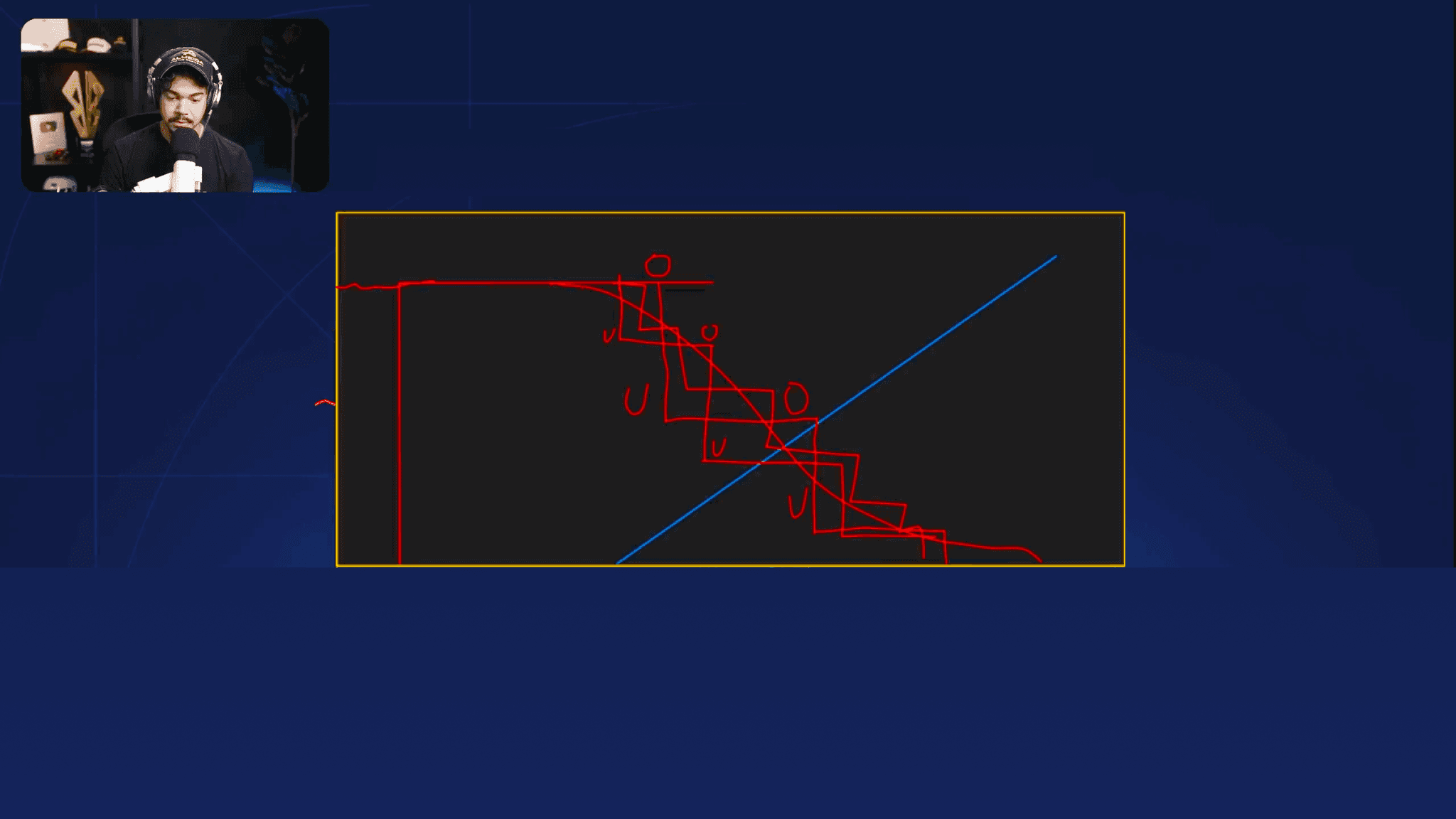
The objective here is to find the limit. In a Formula One car, the proper brake trace requires a very hard initial application because the car can handle that pressure due to the extra downforce. However, as the speed goes down, the brakes have to also go down even on a straight line. This represents the most aggressive example of high downforce threshold braking.
It's very important to find the spot where you're almost locking but not locking. The challenge is that you can't release too fast either—you have to release at the right rate so that you're almost always almost locking. The goal is to slow the car down as quickly as possible while maintaining this threshold.
Using Audio Cues for Threshold Braking
A helpful tip for this practice is to turn up the sound of the tires in the game settings so you can hear the pitch when you're about to lock. If you brake under the limit, you'll hear almost nothing from the tires. But if you brake a little bit harder and get close to locking, even before actual locking occurs, you'll hear a micro-locking sound. The exercise is to find that sound and stay in it from the beginning of the brakes all the way through the braking zone.
Determining Mechanical Grip vs. Downforce Grip
There's also a minimal speed braking pressure to consider. You don't have to release all the way to 1% when the car is about to stop. You can go to a full stop while staying on the no-downforce pressure level. This means there's a no-downforce pressure and a high-speed pressure for a high downforce car, and you're going to slowly drift from the top speed pressure to the zero speed pressure.
Finding the zero speed pressure that still doesn't lock the car is crucial. In our Formula 1 example, this pressure is around 40%. This 40% represents our mechanical grip. At the beginning of braking, we can brake with the mechanical grip and the downforce grip on top of it. As the downforce goes down, we have to release all the way to 40%. This is how much the car can still handle with no downforce at almost zero speed without locking.
Pre-Trail Braking Pressure
Before you turn in to any corner, this minimal pressure is your pre-trail braking pressure. If you're braking on a straight line at low speed, you should never brake less than 40%. However, if you're starting to brake at top speed, then your initial brakes have to be way higher.
Finding Peak Initial Brake Pressure
For the Formula 1 car example, we established that 40% is the pressure for a full stop. But what's the really highest pressure we can use with the nice initial peak pressure? Through testing, the optimal initial brake pressure is approximately 75-80% at top speed, which then slowly releases all the way to 40% as the car stops.
This is a very, very slow release down to 40%. You can see how precise you have to be with the brakes. The technique involves:
Hearing the sound of the tires from initial pressure
Releasing one percent by one percent as the car slows down
Calibrating your foot so that you can do that slow release
Staying almost close to locking
Coming to a full stop at the minimal mechanical brake pressure (40% in this example)
If you brake too hard initially (above 85-95%), even though you might not immediately lock, you'll be micro-locking so hard that you overheat the tires, and then even releasing very fast will cause the car to lock up. The real optimal pressure range is around 75-80% at top speed, releasing to 40% before you start turning.
The Two-Stage Brake Release
Remember that when you start braking in a high downforce car, you're going to brake hard initially, then release slowly to 40%, and then when you turn in, you're going to release more quickly. You have those two stages in your braking technique.
Low Downforce Car Behavior
Now let's examine a low downforce car to contrast the technique. When braking at around 69% fixed pressure, the car doesn't lock, but listening to the tires reveals that we're actually close to locking from the beginning and stay there without locking. This is very different from the high downforce car.
Breaking even harder shows we're very close to locking the whole time, and only lock the fronts at the very end. This indicates that this car doesn't have a lot of downforce affecting the threshold braking. We can actually brake almost to a fixed pressure and stay there throughout the braking zone.
Lock-Up Recovery Technique
An important note about lock-ups: when you lock the tires, don't release the brakes slowly. As soon as you lock up, even if you release to 40%, you won't unlock them immediately. When the tires lock, the friction is locked too and the car starts sliding. You have to actually drop the brakes quickly to unlock and then brake again—it's very punchy. Slow brake release during a lock-up won't work.
Single-Stage vs. Two-Stage Braking
In the low downforce car, you don't get any significant change in braking performance at different speeds. The brakes in this car follow a different pattern: you brake to the peak as long as you're in a straight line, stay on that pressure, and then start releasing only when you start turning the steering. This is a totally different approach—a one-stage fixed pressure rather than a two-stage brake release.
Understanding the Downforce Spectrum
Between these two extremes, the technique will depend on the amount of downforce. You will have a baseline of mechanical grip, and then you're going to have the downforce area on top of that. The relationship works as follows:
Low downforce car: small additional braking area above mechanical grip
Medium downforce car: moderate additional braking area
High downforce car: large additional braking area
Extreme downforce car (Formula 1): very large additional braking area
You have to change your approach based on the car's downforce level.
Practical Training Exercise
To master this technique, practice on any circuit you're training on. Practice braking in a straight line and get the car to a full stop. Find the full stop pressure—this is very important. Find the full stop pressure where you don't lock, and that's your minimum pressure on a straight line.
If you're releasing quickly and getting yourself under the limit before you start turning the steering, you're losing a lot of time. You're under the limit during that area. The key steps are:
Listen to the sounds of the tires
Get the car to full stop
Find the minimum no-lock pressure
Learn how to release the brakes more slowly
Make sure the phase even before you start turning is very well sorted
This practice will make you more consistent and help you optimize your braking performance across different car types and downforce levels.
To truly understand how the threshold braking changes as your speed goes down, we're going to work through an exercise using an extreme example on a Formula 1 car, which produces pretty much the highest downforce you can get. This will make clear how significant this effect can be, and then we can examine more subtle versions in different cars.
Initial Braking Exercise: Understanding Lock-Up at Decreasing Speeds
For this first exercise, we're not going to think too much about cornering. The goal is simply to practice braking until the car stops on a full straight line. Starting at high speed on a straight line, we'll begin breaking at around 60% fixed pressure. Pay close attention to the sound of the tires—they won't lock at first, but then they'll start locking even though the braking pressure hasn't changed at all.
The key question is: why is it locking only after the initial braking phase? This phenomenon occurs because as the speed decreases, you literally lose longitudinal grip as the downforce comes down with the speed. Even if you try braking more slowly or less aggressively initially, the tires will still lock as you slow down if you maintain constant pressure.
Finding the Limit: The Proper Brake Release Technique
The objective here is to find the limit. In a Formula One car, the proper brake trace requires a very hard initial application because the car can handle that pressure due to the extra downforce. However, as the speed goes down, the brakes have to also go down even on a straight line. This represents the most aggressive example of high downforce threshold braking.
It's very important to find the spot where you're almost locking but not locking. The challenge is that you can't release too fast either—you have to release at the right rate so that you're almost always almost locking. The goal is to slow the car down as quickly as possible while maintaining this threshold.
Using Audio Cues for Threshold Braking
A helpful tip for this practice is to turn up the sound of the tires in the game settings so you can hear the pitch when you're about to lock. If you brake under the limit, you'll hear almost nothing from the tires. But if you brake a little bit harder and get close to locking, even before actual locking occurs, you'll hear a micro-locking sound. The exercise is to find that sound and stay in it from the beginning of the brakes all the way through the braking zone.
Determining Mechanical Grip vs. Downforce Grip
There's also a minimal speed braking pressure to consider. You don't have to release all the way to 1% when the car is about to stop. You can go to a full stop while staying on the no-downforce pressure level. This means there's a no-downforce pressure and a high-speed pressure for a high downforce car, and you're going to slowly drift from the top speed pressure to the zero speed pressure.
Finding the zero speed pressure that still doesn't lock the car is crucial. In our Formula 1 example, this pressure is around 40%. This 40% represents our mechanical grip. At the beginning of braking, we can brake with the mechanical grip and the downforce grip on top of it. As the downforce goes down, we have to release all the way to 40%. This is how much the car can still handle with no downforce at almost zero speed without locking.
Pre-Trail Braking Pressure
Before you turn in to any corner, this minimal pressure is your pre-trail braking pressure. If you're braking on a straight line at low speed, you should never brake less than 40%. However, if you're starting to brake at top speed, then your initial brakes have to be way higher.
Finding Peak Initial Brake Pressure
For the Formula 1 car example, we established that 40% is the pressure for a full stop. But what's the really highest pressure we can use with the nice initial peak pressure? Through testing, the optimal initial brake pressure is approximately 75-80% at top speed, which then slowly releases all the way to 40% as the car stops.
This is a very, very slow release down to 40%. You can see how precise you have to be with the brakes. The technique involves:
Hearing the sound of the tires from initial pressure
Releasing one percent by one percent as the car slows down
Calibrating your foot so that you can do that slow release
Staying almost close to locking
Coming to a full stop at the minimal mechanical brake pressure (40% in this example)
If you brake too hard initially (above 85-95%), even though you might not immediately lock, you'll be micro-locking so hard that you overheat the tires, and then even releasing very fast will cause the car to lock up. The real optimal pressure range is around 75-80% at top speed, releasing to 40% before you start turning.
The Two-Stage Brake Release
Remember that when you start braking in a high downforce car, you're going to brake hard initially, then release slowly to 40%, and then when you turn in, you're going to release more quickly. You have those two stages in your braking technique.
Low Downforce Car Behavior
Now let's examine a low downforce car to contrast the technique. When braking at around 69% fixed pressure, the car doesn't lock, but listening to the tires reveals that we're actually close to locking from the beginning and stay there without locking. This is very different from the high downforce car.
Breaking even harder shows we're very close to locking the whole time, and only lock the fronts at the very end. This indicates that this car doesn't have a lot of downforce affecting the threshold braking. We can actually brake almost to a fixed pressure and stay there throughout the braking zone.
Lock-Up Recovery Technique
An important note about lock-ups: when you lock the tires, don't release the brakes slowly. As soon as you lock up, even if you release to 40%, you won't unlock them immediately. When the tires lock, the friction is locked too and the car starts sliding. You have to actually drop the brakes quickly to unlock and then brake again—it's very punchy. Slow brake release during a lock-up won't work.
Single-Stage vs. Two-Stage Braking
In the low downforce car, you don't get any significant change in braking performance at different speeds. The brakes in this car follow a different pattern: you brake to the peak as long as you're in a straight line, stay on that pressure, and then start releasing only when you start turning the steering. This is a totally different approach—a one-stage fixed pressure rather than a two-stage brake release.
Understanding the Downforce Spectrum
Between these two extremes, the technique will depend on the amount of downforce. You will have a baseline of mechanical grip, and then you're going to have the downforce area on top of that. The relationship works as follows:
Low downforce car: small additional braking area above mechanical grip
Medium downforce car: moderate additional braking area
High downforce car: large additional braking area
Extreme downforce car (Formula 1): very large additional braking area
You have to change your approach based on the car's downforce level.
Practical Training Exercise
To master this technique, practice on any circuit you're training on. Practice braking in a straight line and get the car to a full stop. Find the full stop pressure—this is very important. Find the full stop pressure where you don't lock, and that's your minimum pressure on a straight line.
If you're releasing quickly and getting yourself under the limit before you start turning the steering, you're losing a lot of time. You're under the limit during that area. The key steps are:
Listen to the sounds of the tires
Get the car to full stop
Find the minimum no-lock pressure
Learn how to release the brakes more slowly
Make sure the phase even before you start turning is very well sorted
This practice will make you more consistent and help you optimize your braking performance across different car types and downforce levels.
To truly understand how the threshold braking changes as your speed goes down, we're going to work through an exercise using an extreme example on a Formula 1 car, which produces pretty much the highest downforce you can get. This will make clear how significant this effect can be, and then we can examine more subtle versions in different cars.
Initial Braking Exercise: Understanding Lock-Up at Decreasing Speeds
For this first exercise, we're not going to think too much about cornering. The goal is simply to practice braking until the car stops on a full straight line. Starting at high speed on a straight line, we'll begin breaking at around 60% fixed pressure. Pay close attention to the sound of the tires—they won't lock at first, but then they'll start locking even though the braking pressure hasn't changed at all.
The key question is: why is it locking only after the initial braking phase? This phenomenon occurs because as the speed decreases, you literally lose longitudinal grip as the downforce comes down with the speed. Even if you try braking more slowly or less aggressively initially, the tires will still lock as you slow down if you maintain constant pressure.
Finding the Limit: The Proper Brake Release Technique
The objective here is to find the limit. In a Formula One car, the proper brake trace requires a very hard initial application because the car can handle that pressure due to the extra downforce. However, as the speed goes down, the brakes have to also go down even on a straight line. This represents the most aggressive example of high downforce threshold braking.
It's very important to find the spot where you're almost locking but not locking. The challenge is that you can't release too fast either—you have to release at the right rate so that you're almost always almost locking. The goal is to slow the car down as quickly as possible while maintaining this threshold.
Using Audio Cues for Threshold Braking
A helpful tip for this practice is to turn up the sound of the tires in the game settings so you can hear the pitch when you're about to lock. If you brake under the limit, you'll hear almost nothing from the tires. But if you brake a little bit harder and get close to locking, even before actual locking occurs, you'll hear a micro-locking sound. The exercise is to find that sound and stay in it from the beginning of the brakes all the way through the braking zone.
Determining Mechanical Grip vs. Downforce Grip
There's also a minimal speed braking pressure to consider. You don't have to release all the way to 1% when the car is about to stop. You can go to a full stop while staying on the no-downforce pressure level. This means there's a no-downforce pressure and a high-speed pressure for a high downforce car, and you're going to slowly drift from the top speed pressure to the zero speed pressure.
Finding the zero speed pressure that still doesn't lock the car is crucial. In our Formula 1 example, this pressure is around 40%. This 40% represents our mechanical grip. At the beginning of braking, we can brake with the mechanical grip and the downforce grip on top of it. As the downforce goes down, we have to release all the way to 40%. This is how much the car can still handle with no downforce at almost zero speed without locking.
Pre-Trail Braking Pressure
Before you turn in to any corner, this minimal pressure is your pre-trail braking pressure. If you're braking on a straight line at low speed, you should never brake less than 40%. However, if you're starting to brake at top speed, then your initial brakes have to be way higher.
Finding Peak Initial Brake Pressure
For the Formula 1 car example, we established that 40% is the pressure for a full stop. But what's the really highest pressure we can use with the nice initial peak pressure? Through testing, the optimal initial brake pressure is approximately 75-80% at top speed, which then slowly releases all the way to 40% as the car stops.
This is a very, very slow release down to 40%. You can see how precise you have to be with the brakes. The technique involves:
Hearing the sound of the tires from initial pressure
Releasing one percent by one percent as the car slows down
Calibrating your foot so that you can do that slow release
Staying almost close to locking
Coming to a full stop at the minimal mechanical brake pressure (40% in this example)
If you brake too hard initially (above 85-95%), even though you might not immediately lock, you'll be micro-locking so hard that you overheat the tires, and then even releasing very fast will cause the car to lock up. The real optimal pressure range is around 75-80% at top speed, releasing to 40% before you start turning.
The Two-Stage Brake Release
Remember that when you start braking in a high downforce car, you're going to brake hard initially, then release slowly to 40%, and then when you turn in, you're going to release more quickly. You have those two stages in your braking technique.
Low Downforce Car Behavior
Now let's examine a low downforce car to contrast the technique. When braking at around 69% fixed pressure, the car doesn't lock, but listening to the tires reveals that we're actually close to locking from the beginning and stay there without locking. This is very different from the high downforce car.
Breaking even harder shows we're very close to locking the whole time, and only lock the fronts at the very end. This indicates that this car doesn't have a lot of downforce affecting the threshold braking. We can actually brake almost to a fixed pressure and stay there throughout the braking zone.
Lock-Up Recovery Technique
An important note about lock-ups: when you lock the tires, don't release the brakes slowly. As soon as you lock up, even if you release to 40%, you won't unlock them immediately. When the tires lock, the friction is locked too and the car starts sliding. You have to actually drop the brakes quickly to unlock and then brake again—it's very punchy. Slow brake release during a lock-up won't work.
Single-Stage vs. Two-Stage Braking
In the low downforce car, you don't get any significant change in braking performance at different speeds. The brakes in this car follow a different pattern: you brake to the peak as long as you're in a straight line, stay on that pressure, and then start releasing only when you start turning the steering. This is a totally different approach—a one-stage fixed pressure rather than a two-stage brake release.
Understanding the Downforce Spectrum
Between these two extremes, the technique will depend on the amount of downforce. You will have a baseline of mechanical grip, and then you're going to have the downforce area on top of that. The relationship works as follows:
Low downforce car: small additional braking area above mechanical grip
Medium downforce car: moderate additional braking area
High downforce car: large additional braking area
Extreme downforce car (Formula 1): very large additional braking area
You have to change your approach based on the car's downforce level.
Practical Training Exercise
To master this technique, practice on any circuit you're training on. Practice braking in a straight line and get the car to a full stop. Find the full stop pressure—this is very important. Find the full stop pressure where you don't lock, and that's your minimum pressure on a straight line.
If you're releasing quickly and getting yourself under the limit before you start turning the steering, you're losing a lot of time. You're under the limit during that area. The key steps are:
Listen to the sounds of the tires
Get the car to full stop
Find the minimum no-lock pressure
Learn how to release the brakes more slowly
Make sure the phase even before you start turning is very well sorted
This practice will make you more consistent and help you optimize your braking performance across different car types and downforce levels.
Consistency & Confidence
Balance & Speed
Cornering Precision
Mastery
Other Lessons