Exercise - Neutral Steer
Lesson
26
of
49

Lesson by
Suellio Almeida
Lesson by
Suellio Almeida
Mark as Finished
Understanding Force Feedback as a Grip Indicator
The force feedback graph displays torque as a percentage, showing how much iRacing is sending to your force feedback wheelbase. If your wheelbase is set to 15 centimeters, the force feedback will trigger at 15 centimeters when it reaches the full bar. This measurement is critical for understanding your front tire grip levels.
The Relationship Between Force Feedback and Front Tire Grip
The more force feedback you have, the more grip your front tires are generating. Force feedback is directly related to how much front grip you have and how well you are using the front tires. When you trail brake, you can feel the steering wheel get heavier - this is the force feedback increasing as front grip increases.
When you turn the steering wheel significantly, the force feedback actually goes down. This demonstrates an important principle: turning less maintains higher force feedback (around 50%), while turning more causes it to decrease. This happens because you're either optimizing or exceeding the front tires' grip capacity.
Understanding Clipping and Its Effects
The force feedback indicator uses color coding to warn you about clipping:
Green: Normal operating range
Yellow: Approaching clipping threshold
Red: Fully clipping
Clipping occurs when you reach 100% force feedback output. When the system clips, it sends a signal varying between 100% and 105%, but the force feedback cannot change because it's already at 100% of the wheel's capacity. This creates a critical problem: you stop feeling any vibrations or detail in the steering. The wheel becomes numb - very heavy but providing no useful feedback about grip levels.
You want to choose force feedback settings that do not clip during normal driving. However, you also don't want force feedback that is too low, as this results in very light steering that doesn't provide adequate information about grip levels.
Optimal Force Feedback Settings
The objective is to configure your force feedback so that it almost clips only when you achieve optimal slip angle on the front tires with good trail braking. For example, at settings around 26.04 or 13.1 meters, you should be able to almost clip for a second when you really force the car at the optimal front tire slip angle with proper braking technique.
A properly configured system will show yellow when you're at the limit of grip, with maybe a blink or two of red. This provides the best feedback for finding and maintaining the grip limit.
Using Force Feedback to Find the Grip Limit
Chasing Peak Force Feedback Resistance
Force feedback becomes heavier when you have more grip and lighter when you have less grip. The key technique is to turn towards the peak force feedback resistance, but not past it. You want to chase the force feedback resistance because that's where the grip is, but you must not abuse it or go past it. As soon as you exceed the peak, the front tires give up and you lose grip.
When combining force feedback awareness with trail braking, you can induce slight slides that represent neutral steer. The goal is to stay on that limit. When the car is truly at neutral steer and on the limit of grip, the force feedback will often be in the yellow or even briefly touching red (though during actual driving, you want to avoid consistently hitting red).
Force Feedback Behavior Under Different Conditions
When you brake very hard initially, the force feedback can reach yellow at the beginning. However, as soon as you go past the available grip, the graph goes back to green and you feel less force on the steering wheel. You want to avoid this situation. Instead, respect the force feedback and chase the peak force feedback resistance.
The technique involves:
Feeling the force feedback resistance on the steering wheel
Using relaxed hands to allow proper feedback sensation
Combining a little bit of steering with a little bit of brakes
Chasing the peak resistance without forcing past it
Practical Exercise for Feeling Force Feedback
Practice feeling the force feedback changes in different scenarios. Notice how relaxed hands allow you to perceive more force feedback information. If you ignore that force feedback and force past it, the steering becomes very numb. When you go full throttle and steer all the way, your objective to reach neutral steer and the limit with just a tiny bit of oversteer is to actually achieve the highest force feedback. This is a very good way to measure how much grip you're getting from the front tires.
Applying Force Feedback Awareness in Corners
Finding the Limit in iRacing
In every corner, you're going to chase the same force feedback characteristics. This is how you find the limit in iRacing. You can hear the sound of the tires, feel the force feedback resistance getting a little bit heavier, and chase that by combining a little bit of steering with a little bit of brakes.
Force Feedback in Closing Spiral Scenarios
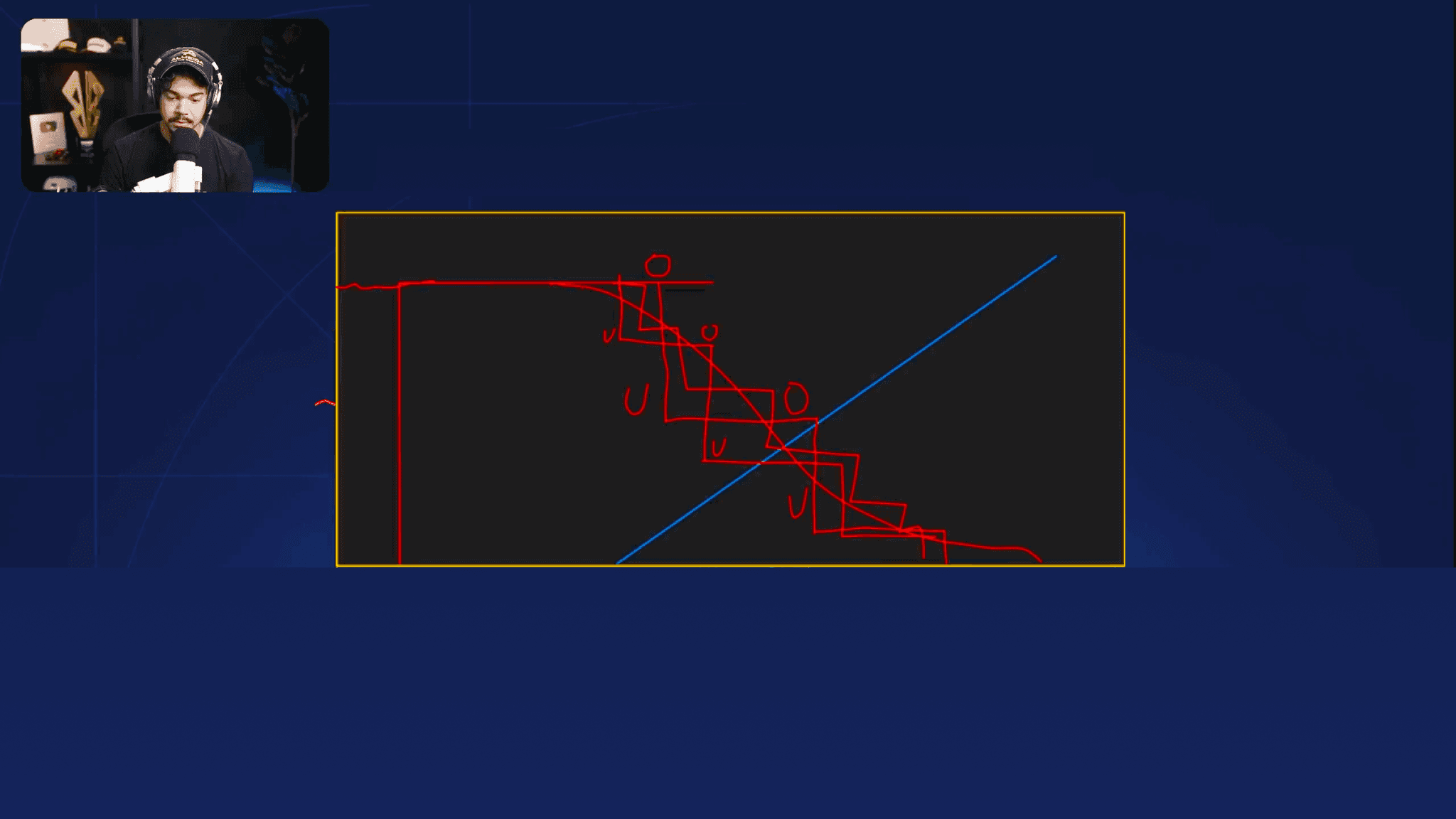
In a closing spiral scenario, if you stay on the peak force resistance as the car gets slower, the peak resistance will occur at a higher steering angle. This means you're maintaining that same force level, but the force feedback actually guides you towards the optimal steering angle. You don't have to continuously add more and more steering input.
You can add a little bit more steering because it's safer to slightly overdrive the car at minimum speeds, but you don't have to force too much. If you just follow the force feedback, it will guide you naturally. You only need to force just a little bit and chase that resistance as your steering angle increases with decreasing speed.
Transitioning Back to Power
As soon as you get back on power, you may feel the force feedback kind of forcing you back towards center. At this point, you're allowing the steering to throw you back to a straight line as the force feedback keeps indicating that you're going faster and need less rotation. Always chase that front grip - that's where you're going to find all the lap time.
At some point, you're going to be able to maintain this awareness from initial turn all the way to the exit, consistently optimizing front tire grip throughout the entire corner.
Understanding Force Feedback as a Grip Indicator
The force feedback graph displays torque as a percentage, showing how much iRacing is sending to your force feedback wheelbase. If your wheelbase is set to 15 centimeters, the force feedback will trigger at 15 centimeters when it reaches the full bar. This measurement is critical for understanding your front tire grip levels.
The Relationship Between Force Feedback and Front Tire Grip
The more force feedback you have, the more grip your front tires are generating. Force feedback is directly related to how much front grip you have and how well you are using the front tires. When you trail brake, you can feel the steering wheel get heavier - this is the force feedback increasing as front grip increases.
When you turn the steering wheel significantly, the force feedback actually goes down. This demonstrates an important principle: turning less maintains higher force feedback (around 50%), while turning more causes it to decrease. This happens because you're either optimizing or exceeding the front tires' grip capacity.
Understanding Clipping and Its Effects
The force feedback indicator uses color coding to warn you about clipping:
Green: Normal operating range
Yellow: Approaching clipping threshold
Red: Fully clipping
Clipping occurs when you reach 100% force feedback output. When the system clips, it sends a signal varying between 100% and 105%, but the force feedback cannot change because it's already at 100% of the wheel's capacity. This creates a critical problem: you stop feeling any vibrations or detail in the steering. The wheel becomes numb - very heavy but providing no useful feedback about grip levels.
You want to choose force feedback settings that do not clip during normal driving. However, you also don't want force feedback that is too low, as this results in very light steering that doesn't provide adequate information about grip levels.
Optimal Force Feedback Settings
The objective is to configure your force feedback so that it almost clips only when you achieve optimal slip angle on the front tires with good trail braking. For example, at settings around 26.04 or 13.1 meters, you should be able to almost clip for a second when you really force the car at the optimal front tire slip angle with proper braking technique.
A properly configured system will show yellow when you're at the limit of grip, with maybe a blink or two of red. This provides the best feedback for finding and maintaining the grip limit.
Using Force Feedback to Find the Grip Limit
Chasing Peak Force Feedback Resistance
Force feedback becomes heavier when you have more grip and lighter when you have less grip. The key technique is to turn towards the peak force feedback resistance, but not past it. You want to chase the force feedback resistance because that's where the grip is, but you must not abuse it or go past it. As soon as you exceed the peak, the front tires give up and you lose grip.
When combining force feedback awareness with trail braking, you can induce slight slides that represent neutral steer. The goal is to stay on that limit. When the car is truly at neutral steer and on the limit of grip, the force feedback will often be in the yellow or even briefly touching red (though during actual driving, you want to avoid consistently hitting red).
Force Feedback Behavior Under Different Conditions
When you brake very hard initially, the force feedback can reach yellow at the beginning. However, as soon as you go past the available grip, the graph goes back to green and you feel less force on the steering wheel. You want to avoid this situation. Instead, respect the force feedback and chase the peak force feedback resistance.
The technique involves:
Feeling the force feedback resistance on the steering wheel
Using relaxed hands to allow proper feedback sensation
Combining a little bit of steering with a little bit of brakes
Chasing the peak resistance without forcing past it
Practical Exercise for Feeling Force Feedback
Practice feeling the force feedback changes in different scenarios. Notice how relaxed hands allow you to perceive more force feedback information. If you ignore that force feedback and force past it, the steering becomes very numb. When you go full throttle and steer all the way, your objective to reach neutral steer and the limit with just a tiny bit of oversteer is to actually achieve the highest force feedback. This is a very good way to measure how much grip you're getting from the front tires.
Applying Force Feedback Awareness in Corners
Finding the Limit in iRacing
In every corner, you're going to chase the same force feedback characteristics. This is how you find the limit in iRacing. You can hear the sound of the tires, feel the force feedback resistance getting a little bit heavier, and chase that by combining a little bit of steering with a little bit of brakes.
Force Feedback in Closing Spiral Scenarios
In a closing spiral scenario, if you stay on the peak force resistance as the car gets slower, the peak resistance will occur at a higher steering angle. This means you're maintaining that same force level, but the force feedback actually guides you towards the optimal steering angle. You don't have to continuously add more and more steering input.
You can add a little bit more steering because it's safer to slightly overdrive the car at minimum speeds, but you don't have to force too much. If you just follow the force feedback, it will guide you naturally. You only need to force just a little bit and chase that resistance as your steering angle increases with decreasing speed.
Transitioning Back to Power
As soon as you get back on power, you may feel the force feedback kind of forcing you back towards center. At this point, you're allowing the steering to throw you back to a straight line as the force feedback keeps indicating that you're going faster and need less rotation. Always chase that front grip - that's where you're going to find all the lap time.
At some point, you're going to be able to maintain this awareness from initial turn all the way to the exit, consistently optimizing front tire grip throughout the entire corner.
Understanding Force Feedback as a Grip Indicator
The force feedback graph displays torque as a percentage, showing how much iRacing is sending to your force feedback wheelbase. If your wheelbase is set to 15 centimeters, the force feedback will trigger at 15 centimeters when it reaches the full bar. This measurement is critical for understanding your front tire grip levels.
The Relationship Between Force Feedback and Front Tire Grip
The more force feedback you have, the more grip your front tires are generating. Force feedback is directly related to how much front grip you have and how well you are using the front tires. When you trail brake, you can feel the steering wheel get heavier - this is the force feedback increasing as front grip increases.
When you turn the steering wheel significantly, the force feedback actually goes down. This demonstrates an important principle: turning less maintains higher force feedback (around 50%), while turning more causes it to decrease. This happens because you're either optimizing or exceeding the front tires' grip capacity.
Understanding Clipping and Its Effects
The force feedback indicator uses color coding to warn you about clipping:
Green: Normal operating range
Yellow: Approaching clipping threshold
Red: Fully clipping
Clipping occurs when you reach 100% force feedback output. When the system clips, it sends a signal varying between 100% and 105%, but the force feedback cannot change because it's already at 100% of the wheel's capacity. This creates a critical problem: you stop feeling any vibrations or detail in the steering. The wheel becomes numb - very heavy but providing no useful feedback about grip levels.
You want to choose force feedback settings that do not clip during normal driving. However, you also don't want force feedback that is too low, as this results in very light steering that doesn't provide adequate information about grip levels.
Optimal Force Feedback Settings
The objective is to configure your force feedback so that it almost clips only when you achieve optimal slip angle on the front tires with good trail braking. For example, at settings around 26.04 or 13.1 meters, you should be able to almost clip for a second when you really force the car at the optimal front tire slip angle with proper braking technique.
A properly configured system will show yellow when you're at the limit of grip, with maybe a blink or two of red. This provides the best feedback for finding and maintaining the grip limit.
Using Force Feedback to Find the Grip Limit
Chasing Peak Force Feedback Resistance
Force feedback becomes heavier when you have more grip and lighter when you have less grip. The key technique is to turn towards the peak force feedback resistance, but not past it. You want to chase the force feedback resistance because that's where the grip is, but you must not abuse it or go past it. As soon as you exceed the peak, the front tires give up and you lose grip.
When combining force feedback awareness with trail braking, you can induce slight slides that represent neutral steer. The goal is to stay on that limit. When the car is truly at neutral steer and on the limit of grip, the force feedback will often be in the yellow or even briefly touching red (though during actual driving, you want to avoid consistently hitting red).
Force Feedback Behavior Under Different Conditions
When you brake very hard initially, the force feedback can reach yellow at the beginning. However, as soon as you go past the available grip, the graph goes back to green and you feel less force on the steering wheel. You want to avoid this situation. Instead, respect the force feedback and chase the peak force feedback resistance.
The technique involves:
Feeling the force feedback resistance on the steering wheel
Using relaxed hands to allow proper feedback sensation
Combining a little bit of steering with a little bit of brakes
Chasing the peak resistance without forcing past it
Practical Exercise for Feeling Force Feedback
Practice feeling the force feedback changes in different scenarios. Notice how relaxed hands allow you to perceive more force feedback information. If you ignore that force feedback and force past it, the steering becomes very numb. When you go full throttle and steer all the way, your objective to reach neutral steer and the limit with just a tiny bit of oversteer is to actually achieve the highest force feedback. This is a very good way to measure how much grip you're getting from the front tires.
Applying Force Feedback Awareness in Corners
Finding the Limit in iRacing
In every corner, you're going to chase the same force feedback characteristics. This is how you find the limit in iRacing. You can hear the sound of the tires, feel the force feedback resistance getting a little bit heavier, and chase that by combining a little bit of steering with a little bit of brakes.
Force Feedback in Closing Spiral Scenarios
In a closing spiral scenario, if you stay on the peak force resistance as the car gets slower, the peak resistance will occur at a higher steering angle. This means you're maintaining that same force level, but the force feedback actually guides you towards the optimal steering angle. You don't have to continuously add more and more steering input.
You can add a little bit more steering because it's safer to slightly overdrive the car at minimum speeds, but you don't have to force too much. If you just follow the force feedback, it will guide you naturally. You only need to force just a little bit and chase that resistance as your steering angle increases with decreasing speed.
Transitioning Back to Power
As soon as you get back on power, you may feel the force feedback kind of forcing you back towards center. At this point, you're allowing the steering to throw you back to a straight line as the force feedback keeps indicating that you're going faster and need less rotation. Always chase that front grip - that's where you're going to find all the lap time.
At some point, you're going to be able to maintain this awareness from initial turn all the way to the exit, consistently optimizing front tire grip throughout the entire corner.
Consistency & Confidence
Balance & Speed
Cornering Precision
Mastery
Other Lessons