Lesson
Lesson
6
of
of
21
Should you be a smooth driver?

Lesson by
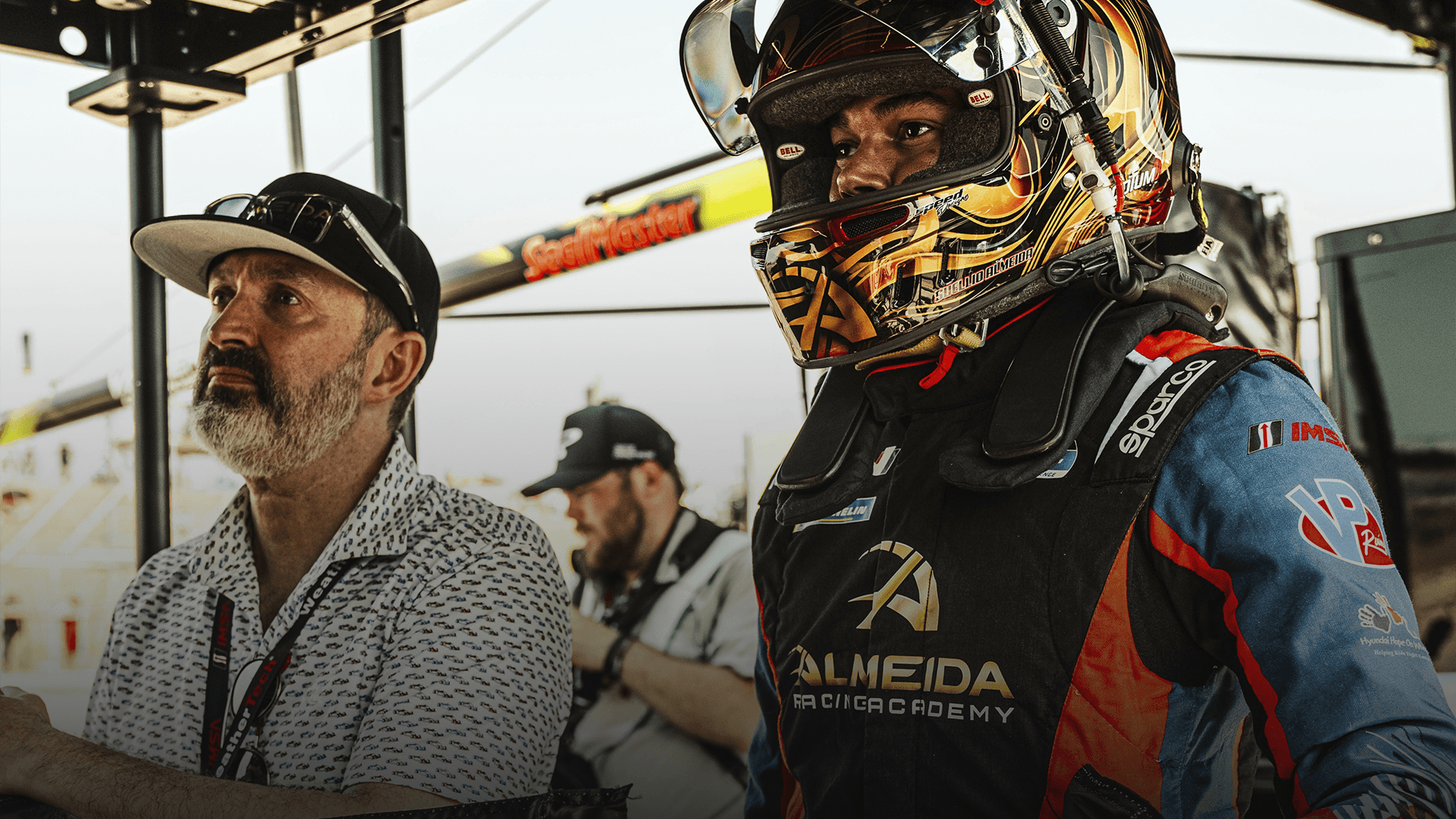
Suellio Almeida
Lesson by
Suellio Almeida
Mark as Finished
Should You Be a Smooth Driver?
The Myth of Smooth Driving
"Smooth is fast," they say. "Drive smoothly. Be safe," they say. But what if being smooth might actually be the cause of many spins and crashes? This common advice in motorsport deserves a closer examination to understand when smoothness helps and when it can be dangerous.
The Paradox of Smoothness
You can very easily induce a quick spin while being smooth. Conversely, you can also safely drive around the track by doing apparently aggressive inputs. What matters is not smoothness itself, but where it's located. Understanding the appropriate placement of smooth versus quick inputs is critical to safe and fast driving.
The Danger of Smooth Inputs in Critical Situations
In many race cars, braking just a little bit and turning just a little bit can be enough to induce a spin. Trying to be smooth while accidentally creating this scenario can be very dangerous, especially when this smoothness mentality also affects how quickly you correct a slide.
The Problem with Smooth Slide Corrections
If you're trying to be smooth even when it comes to correcting a slide, your correction will end up being too slow and too big. The consequences of this approach include:
It will be too late to catch the car
The car will either spin towards the inside
Or it will bite the front tires and slingshot the car to the other side
This happens all the time when drivers are too cautious even on the countersteer motion.
The Correct Approach to Slide Corrections
Slide corrections should be fast and small. If you're trying to be smooth during a correction, they will be too slow and too big. This is a critical distinction that separates safe car control from dangerous overcorrection.
Practice and Application
We'll try some exercises in the simulator practice module to emulate these scenarios and get a deeper understanding of when to be smooth and when not to. These practical exercises will help develop the proper instincts for different driving situations.
Driving at the limit
Car Control Fundamentals
Building Race Confidence
Mastering Elevation Changes
Other Lessons
Other Lessons