
What Your Racing Mistakes Actually Reveal About Your Skills — Coach's Review
Suellio Almeida
•
Thursday, October 10, 2024
The Clip That Looked Good Until It Didn't
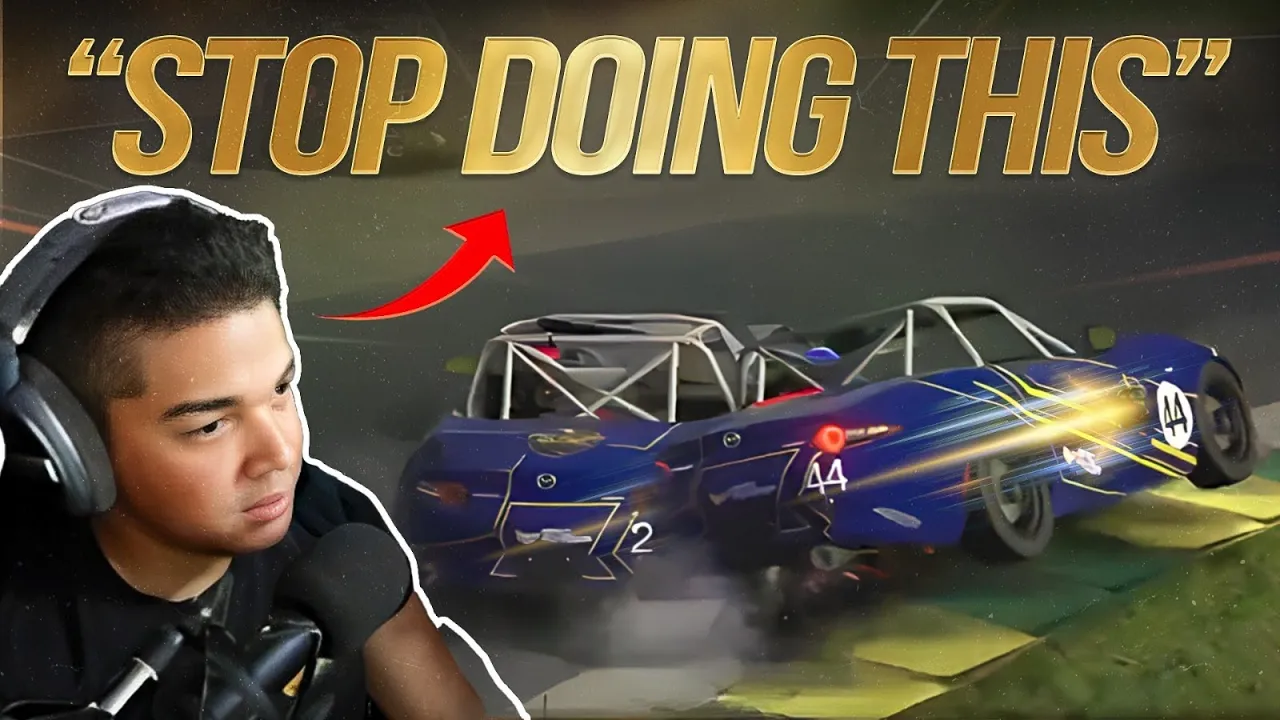
First submission: a bold dive-bomb pass into a hairpin. The student thought this was aggressive racecraft. What I saw? A driver who got lucky the other guy backed out.
Here's the thing — real racecraft isn't about forcing the door closed. It's about positioning yourself so cleanly that the other driver has no choice but to concede. This pass worked because the defender made a mistake, not because the overtake was well-executed.
The entry was too hot. The apex was missed by a car width. The exit compromised both drivers. This is what I call "YouTube passing" — it looks dramatic, but it's inefficient and dangerous. You're one defensive hold away from contact.
What should have happened: Brake later but with control. Hit the apex. Force the defender to choose between their line or their position. Make them yield because your execution was perfect, not because they feared contact.
When Defending Becomes Blocking
Next clip: a student holding position through three corners. They were proud of the defense. I watched a driver weaving on straights and making multiple moves under braking.
Listen — defending is about owning the racing line, not blocking. The moment you make a second move or react to the attacker's positioning, you're blocking. That's not racecraft. That's desperation.
The rules are clear: one defensive move. After that, you commit to your line and force the attacker to find speed, not space. If they're faster, they'll get you eventually. Your job is to make them work for it through perfect exits and late braking, not by playing human barrier.
This driver lost three-tenths on exit speed protecting position. They would have finished ahead by driving their own race.
The Overtake That Worked Because of Patience
Now this one — this is what I want to see.
A student sat behind a slower car for two laps. Studied the defender's lines. Noticed they were early on throttle but weak on entry. Set up an inside move where the defender had already committed to the outside.
Clean. Inevitable. Zero drama.
This is what fast racecraft looks like. You're not hunting for a gap — you're creating a situation where the gap has to appear. You make the pass before you even pull alongside because you've already won the mental battle.
The defender knew it was over before contact was even a possibility. That's the standard.
What Your Inputs Reveal About Your Technique
Here's where most of these clips fell apart — I could see the mistakes in the telemetry before I even watched the racing.
Jabbing at the brakes. Steering corrections mid-corner. Throttle that looks like a heartbeat monitor. These aren't racing mistakes. These are fundamental technique gaps.
You can't have racecraft without car control. If you're fighting the car, you're not reading the other driver. If your inputs are rough, your positioning will be reactive instead of predictive.
The fastest passes in these clips came from drivers with smooth telemetry. Their cars were stable. Their minds were free to think three corners ahead. That's not a coincidence.
Fix your fundamentals first. Race second.
The Move That Should Have Ended in Contact
One student sent a clip where they squeezed a car onto the grass at 140 mph. They were celebrating. I was watching a potential injury.
Aggression without spatial awareness is dangerous, not fast. Racing is about calculated risk, not blind commitment. If you can't leave racing room, you're not executing a pass — you're hoping the other driver saves you.
This is the difference between club racing and professional driving. At higher levels, everyone knows where the boundaries are. You push to the limit, but you don't cross it. Your reputation depends on being hard but fair.
One reckless move and no one will race you cleanly again. They'll defend harder, block earlier, and you'll spend more energy fighting for positions you should have taken smoothly.
What Actually Makes a Pass Worth Reviewing
After watching dozens of these clips, here's what separated the good from the forgettable:
Setup matters more than execution. The best passes were won two corners before the move. Late braking is useless if you're in the wrong position.
Clean passes are faster than dramatic ones. Every time. The driver who gained the most positions wasn't the most aggressive — they were the most patient.
Your inputs tell the real story. I can watch a pass without audio and know if you're fast or just lucky. Smooth telemetry = controlled aggression. Rough telemetry = chaos that occasionally works.
Respect beats intimidation. The drivers who raced clean got re-passed less. The blockers and dive-bombers spent the whole race defending.
How Long Are You Going to Race on Instinct?
Here's the question every one of these clips made me ask: how much faster would you be if you actually understood what you were doing?
Most of these drivers are racing on feel. Instinct. Trial and error. They're hoping the move works instead of knowing it will. That's fine when you're starting out. But if you've been sim racing for years and you're still making the same mistakes, you're not learning — you're repeating.
Racecraft isn't a talent. It's a skill set. You can teach spatial awareness. You can train reaction time. You can practice overtaking until it's automatic. But not if you keep doing the same thing and hoping for different results.
Every one of these clips showed potential. Some showed flashes of real speed. But none of them showed a complete understanding of what makes a pass work or a defense hold.
That gap? That's what coaching closes.
What If You Stopped Guessing and Started Training?
You've been racing for how long now? Months? Years? And you're still inconsistent. Still making the same mistakes. Still getting frustrated when slower drivers hold you up or faster drivers blow past you.
What if the problem isn't your talent? What if it's your method?
You've been learning from YouTube clips and trial and error. Picking up tips here and there. But no one's ever shown you a complete system — how to read a race, position your car, execute under pressure, and do it all with the muscle memory of a professional.
That's what we built Almeida Racing Academy for. Not random tips. Not motivational fluff. A structured training system that takes you from reactive to predictive. From hopeful to inevitable.
Sim Racing Academy Membership
Everything you need to stop guessing and start getting faster.
Starting at
$25
/mo
Car Handling Online Course
4 levels, full curriculum. Aimed to get you to top 1% in driving pace.
Racecraft Online Course
Overtaking, Defending, Race Strategy
Live coaching + on-track practice
Bi-weekly pro-coach workshops (recorded — never miss one) plus on-track Pit Parties to practice racecraft with a coach.
Plus These Bonuses
13,000+ Member Community
League Racing
Advanced MX-5 Mini Course
Racing Technique Development Guide
The Motor Racing Book (260 pages)
Think & Behave Like a Pro Driver — Mini eBook
What Your Racing Mistakes Actually Reveal About Your Skills — Coach's Review
Suellio Almeida
•
Thursday, October 10, 2024
The Clip That Looked Good Until It Didn't
First submission: a bold dive-bomb pass into a hairpin. The student thought this was aggressive racecraft. What I saw? A driver who got lucky the other guy backed out.
Here's the thing — real racecraft isn't about forcing the door closed. It's about positioning yourself so cleanly that the other driver has no choice but to concede. This pass worked because the defender made a mistake, not because the overtake was well-executed.
The entry was too hot. The apex was missed by a car width. The exit compromised both drivers. This is what I call "YouTube passing" — it looks dramatic, but it's inefficient and dangerous. You're one defensive hold away from contact.
What should have happened: Brake later but with control. Hit the apex. Force the defender to choose between their line or their position. Make them yield because your execution was perfect, not because they feared contact.
When Defending Becomes Blocking
Next clip: a student holding position through three corners. They were proud of the defense. I watched a driver weaving on straights and making multiple moves under braking.
Listen — defending is about owning the racing line, not blocking. The moment you make a second move or react to the attacker's positioning, you're blocking. That's not racecraft. That's desperation.
The rules are clear: one defensive move. After that, you commit to your line and force the attacker to find speed, not space. If they're faster, they'll get you eventually. Your job is to make them work for it through perfect exits and late braking, not by playing human barrier.
This driver lost three-tenths on exit speed protecting position. They would have finished ahead by driving their own race.
The Overtake That Worked Because of Patience
Now this one — this is what I want to see.
A student sat behind a slower car for two laps. Studied the defender's lines. Noticed they were early on throttle but weak on entry. Set up an inside move where the defender had already committed to the outside.
Clean. Inevitable. Zero drama.
This is what fast racecraft looks like. You're not hunting for a gap — you're creating a situation where the gap has to appear. You make the pass before you even pull alongside because you've already won the mental battle.
The defender knew it was over before contact was even a possibility. That's the standard.
What Your Inputs Reveal About Your Technique
Here's where most of these clips fell apart — I could see the mistakes in the telemetry before I even watched the racing.
Jabbing at the brakes. Steering corrections mid-corner. Throttle that looks like a heartbeat monitor. These aren't racing mistakes. These are fundamental technique gaps.
You can't have racecraft without car control. If you're fighting the car, you're not reading the other driver. If your inputs are rough, your positioning will be reactive instead of predictive.
The fastest passes in these clips came from drivers with smooth telemetry. Their cars were stable. Their minds were free to think three corners ahead. That's not a coincidence.
Fix your fundamentals first. Race second.
The Move That Should Have Ended in Contact
One student sent a clip where they squeezed a car onto the grass at 140 mph. They were celebrating. I was watching a potential injury.
Aggression without spatial awareness is dangerous, not fast. Racing is about calculated risk, not blind commitment. If you can't leave racing room, you're not executing a pass — you're hoping the other driver saves you.
This is the difference between club racing and professional driving. At higher levels, everyone knows where the boundaries are. You push to the limit, but you don't cross it. Your reputation depends on being hard but fair.
One reckless move and no one will race you cleanly again. They'll defend harder, block earlier, and you'll spend more energy fighting for positions you should have taken smoothly.
What Actually Makes a Pass Worth Reviewing
After watching dozens of these clips, here's what separated the good from the forgettable:
Setup matters more than execution. The best passes were won two corners before the move. Late braking is useless if you're in the wrong position.
Clean passes are faster than dramatic ones. Every time. The driver who gained the most positions wasn't the most aggressive — they were the most patient.
Your inputs tell the real story. I can watch a pass without audio and know if you're fast or just lucky. Smooth telemetry = controlled aggression. Rough telemetry = chaos that occasionally works.
Respect beats intimidation. The drivers who raced clean got re-passed less. The blockers and dive-bombers spent the whole race defending.
How Long Are You Going to Race on Instinct?
Here's the question every one of these clips made me ask: how much faster would you be if you actually understood what you were doing?
Most of these drivers are racing on feel. Instinct. Trial and error. They're hoping the move works instead of knowing it will. That's fine when you're starting out. But if you've been sim racing for years and you're still making the same mistakes, you're not learning — you're repeating.
Racecraft isn't a talent. It's a skill set. You can teach spatial awareness. You can train reaction time. You can practice overtaking until it's automatic. But not if you keep doing the same thing and hoping for different results.
Every one of these clips showed potential. Some showed flashes of real speed. But none of them showed a complete understanding of what makes a pass work or a defense hold.
That gap? That's what coaching closes.
What If You Stopped Guessing and Started Training?
You've been racing for how long now? Months? Years? And you're still inconsistent. Still making the same mistakes. Still getting frustrated when slower drivers hold you up or faster drivers blow past you.
What if the problem isn't your talent? What if it's your method?
You've been learning from YouTube clips and trial and error. Picking up tips here and there. But no one's ever shown you a complete system — how to read a race, position your car, execute under pressure, and do it all with the muscle memory of a professional.
That's what we built Almeida Racing Academy for. Not random tips. Not motivational fluff. A structured training system that takes you from reactive to predictive. From hopeful to inevitable.
Sim Racing Academy Membership
Everything you need to stop guessing and start getting faster.
Starting at
$25
/mo
Car Handling Online Course
4 levels, full curriculum. Aimed to get you to top 1% in driving pace.
Racecraft Online Course
Overtaking, Defending, Race Strategy
Live coaching + on-track practice
Bi-weekly pro-coach workshops (recorded — never miss one) plus on-track Pit Parties to practice racecraft with a coach.
Plus These Bonuses
13,000+ Member Community
League Racing
Advanced MX-5 Mini Course
Racing Technique Development Guide
The Motor Racing Book (260 pages)
Think & Behave Like a Pro Driver — Mini eBook
What Your Racing Mistakes Actually Reveal About Your Skills — Coach's Review
Suellio Almeida
•
Thursday, October 10, 2024
The Clip That Looked Good Until It Didn't
First submission: a bold dive-bomb pass into a hairpin. The student thought this was aggressive racecraft. What I saw? A driver who got lucky the other guy backed out.
Here's the thing — real racecraft isn't about forcing the door closed. It's about positioning yourself so cleanly that the other driver has no choice but to concede. This pass worked because the defender made a mistake, not because the overtake was well-executed.
The entry was too hot. The apex was missed by a car width. The exit compromised both drivers. This is what I call "YouTube passing" — it looks dramatic, but it's inefficient and dangerous. You're one defensive hold away from contact.
What should have happened: Brake later but with control. Hit the apex. Force the defender to choose between their line or their position. Make them yield because your execution was perfect, not because they feared contact.
When Defending Becomes Blocking
Next clip: a student holding position through three corners. They were proud of the defense. I watched a driver weaving on straights and making multiple moves under braking.
Listen — defending is about owning the racing line, not blocking. The moment you make a second move or react to the attacker's positioning, you're blocking. That's not racecraft. That's desperation.
The rules are clear: one defensive move. After that, you commit to your line and force the attacker to find speed, not space. If they're faster, they'll get you eventually. Your job is to make them work for it through perfect exits and late braking, not by playing human barrier.
This driver lost three-tenths on exit speed protecting position. They would have finished ahead by driving their own race.
The Overtake That Worked Because of Patience
Now this one — this is what I want to see.
A student sat behind a slower car for two laps. Studied the defender's lines. Noticed they were early on throttle but weak on entry. Set up an inside move where the defender had already committed to the outside.
Clean. Inevitable. Zero drama.
This is what fast racecraft looks like. You're not hunting for a gap — you're creating a situation where the gap has to appear. You make the pass before you even pull alongside because you've already won the mental battle.
The defender knew it was over before contact was even a possibility. That's the standard.
What Your Inputs Reveal About Your Technique
Here's where most of these clips fell apart — I could see the mistakes in the telemetry before I even watched the racing.
Jabbing at the brakes. Steering corrections mid-corner. Throttle that looks like a heartbeat monitor. These aren't racing mistakes. These are fundamental technique gaps.
You can't have racecraft without car control. If you're fighting the car, you're not reading the other driver. If your inputs are rough, your positioning will be reactive instead of predictive.
The fastest passes in these clips came from drivers with smooth telemetry. Their cars were stable. Their minds were free to think three corners ahead. That's not a coincidence.
Fix your fundamentals first. Race second.
The Move That Should Have Ended in Contact
One student sent a clip where they squeezed a car onto the grass at 140 mph. They were celebrating. I was watching a potential injury.
Aggression without spatial awareness is dangerous, not fast. Racing is about calculated risk, not blind commitment. If you can't leave racing room, you're not executing a pass — you're hoping the other driver saves you.
This is the difference between club racing and professional driving. At higher levels, everyone knows where the boundaries are. You push to the limit, but you don't cross it. Your reputation depends on being hard but fair.
One reckless move and no one will race you cleanly again. They'll defend harder, block earlier, and you'll spend more energy fighting for positions you should have taken smoothly.
What Actually Makes a Pass Worth Reviewing
After watching dozens of these clips, here's what separated the good from the forgettable:
Setup matters more than execution. The best passes were won two corners before the move. Late braking is useless if you're in the wrong position.
Clean passes are faster than dramatic ones. Every time. The driver who gained the most positions wasn't the most aggressive — they were the most patient.
Your inputs tell the real story. I can watch a pass without audio and know if you're fast or just lucky. Smooth telemetry = controlled aggression. Rough telemetry = chaos that occasionally works.
Respect beats intimidation. The drivers who raced clean got re-passed less. The blockers and dive-bombers spent the whole race defending.
How Long Are You Going to Race on Instinct?
Here's the question every one of these clips made me ask: how much faster would you be if you actually understood what you were doing?
Most of these drivers are racing on feel. Instinct. Trial and error. They're hoping the move works instead of knowing it will. That's fine when you're starting out. But if you've been sim racing for years and you're still making the same mistakes, you're not learning — you're repeating.
Racecraft isn't a talent. It's a skill set. You can teach spatial awareness. You can train reaction time. You can practice overtaking until it's automatic. But not if you keep doing the same thing and hoping for different results.
Every one of these clips showed potential. Some showed flashes of real speed. But none of them showed a complete understanding of what makes a pass work or a defense hold.
That gap? That's what coaching closes.
What If You Stopped Guessing and Started Training?
You've been racing for how long now? Months? Years? And you're still inconsistent. Still making the same mistakes. Still getting frustrated when slower drivers hold you up or faster drivers blow past you.
What if the problem isn't your talent? What if it's your method?
You've been learning from YouTube clips and trial and error. Picking up tips here and there. But no one's ever shown you a complete system — how to read a race, position your car, execute under pressure, and do it all with the muscle memory of a professional.
That's what we built Almeida Racing Academy for. Not random tips. Not motivational fluff. A structured training system that takes you from reactive to predictive. From hopeful to inevitable.
Sim Racing Academy Membership
Everything you need to stop guessing and start getting faster.
Starting at
$25
/mo
Car Handling Online Course
4 levels, full curriculum. Aimed to get you to top 1% in driving pace.
Racecraft Online Course
Overtaking, Defending, Race Strategy
Live coaching + on-track practice
Bi-weekly pro-coach workshops (recorded — never miss one) plus on-track Pit Parties to practice racecraft with a coach.
Plus These Bonuses
13,000+ Member Community
League Racing
Advanced MX-5 Mini Course
Racing Technique Development Guide
The Motor Racing Book (260 pages)
Think & Behave Like a Pro Driver — Mini eBook