
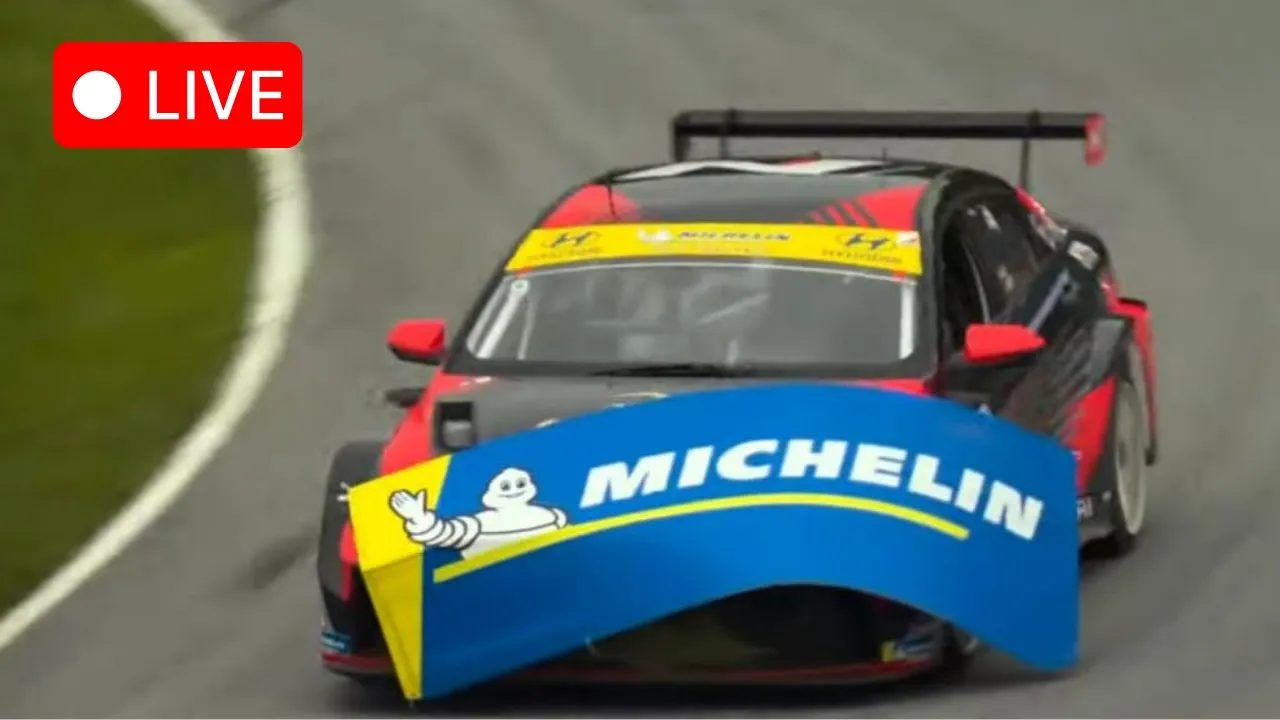
IMSA Practice in the Simulator: How Real Racing Drivers Use Sim Racing to Prepare
Suellio Almeida
•
Sunday, June 15, 2025
The Gap Between Gaming and Race Preparation
Most sim racers fire up their rig, run some laps, and hope they get faster.
That's not training. That's guessing.
Real racing drivers use the simulator as a precision tool—not for fun laps, but for deliberate practice. Every session has a goal. Every lap teaches something. Every mistake gets analyzed and corrected.
If you're serious about improving, you need to stop treating your sim rig like an Xbox and start treating it like a professional training environment.
What Professional Simulator Practice Actually Looks Like
When I'm preparing for an IMSA race weekend, the simulator isn't optional—it's essential.
Here's what a real practice session involves:
Track familiarization. Not just learning the layout—learning where the grip changes, where the car wants to rotate, where you can gain or lose tenths. You're building a mental database of track-specific behavior.
Car setup testing. Small changes to dampers, ride height, differential settings. You need to feel the difference between configurations and understand which direction improves your pace. This is data-driven experimentation.
Racecraft scenarios. Practicing overtakes, defending position, managing traffic. You're not just hotlapping—you're simulating race conditions. Because qualifying pace means nothing if you can't execute in wheel-to-wheel combat.
Consistency work. Running 10, 15, 20-lap stints. Monitoring tire degradation, fuel consumption, brake wear. Can you maintain your pace when the car feels different on lap 18 than it did on lap 3?
This isn't casual driving. This is structured, purposeful training.
Why Most Sim Racers Train Like Amateurs
You know what the difference is between a professional driver's simulator session and yours?
Intent.
You're probably jumping into races hoping to
Sim Racing Academy Membership
Everything you need to stop guessing and start getting faster.
Starting at
$25
/mo
Car Handling Online Course
4 levels, full curriculum. Aimed to get you to top 1% in driving pace.
Racecraft Online Course
Overtaking, Defending, Race Strategy
Live coaching + on-track practice
Bi-weekly pro-coach workshops (recorded — never miss one) plus on-track Pit Parties to practice racecraft with a coach.
Plus These Bonuses
13,000+ Member Community
League Racing
Advanced MX-5 Mini Course
Racing Technique Development Guide
The Motor Racing Book (260 pages)
Think & Behave Like a Pro Driver — Mini eBook
IMSA Practice in the Simulator: How Real Racing Drivers Use Sim Racing to Prepare
Suellio Almeida
•
Sunday, June 15, 2025
The Gap Between Gaming and Race Preparation
Most sim racers fire up their rig, run some laps, and hope they get faster.
That's not training. That's guessing.
Real racing drivers use the simulator as a precision tool—not for fun laps, but for deliberate practice. Every session has a goal. Every lap teaches something. Every mistake gets analyzed and corrected.
If you're serious about improving, you need to stop treating your sim rig like an Xbox and start treating it like a professional training environment.
What Professional Simulator Practice Actually Looks Like
When I'm preparing for an IMSA race weekend, the simulator isn't optional—it's essential.
Here's what a real practice session involves:
Track familiarization. Not just learning the layout—learning where the grip changes, where the car wants to rotate, where you can gain or lose tenths. You're building a mental database of track-specific behavior.
Car setup testing. Small changes to dampers, ride height, differential settings. You need to feel the difference between configurations and understand which direction improves your pace. This is data-driven experimentation.
Racecraft scenarios. Practicing overtakes, defending position, managing traffic. You're not just hotlapping—you're simulating race conditions. Because qualifying pace means nothing if you can't execute in wheel-to-wheel combat.
Consistency work. Running 10, 15, 20-lap stints. Monitoring tire degradation, fuel consumption, brake wear. Can you maintain your pace when the car feels different on lap 18 than it did on lap 3?
This isn't casual driving. This is structured, purposeful training.
Why Most Sim Racers Train Like Amateurs
You know what the difference is between a professional driver's simulator session and yours?
Intent.
You're probably jumping into races hoping to
Sim Racing Academy Membership
Everything you need to stop guessing and start getting faster.
Starting at
$25
/mo
Car Handling Online Course
4 levels, full curriculum. Aimed to get you to top 1% in driving pace.
Racecraft Online Course
Overtaking, Defending, Race Strategy
Live coaching + on-track practice
Bi-weekly pro-coach workshops (recorded — never miss one) plus on-track Pit Parties to practice racecraft with a coach.
Plus These Bonuses
13,000+ Member Community
League Racing
Advanced MX-5 Mini Course
Racing Technique Development Guide
The Motor Racing Book (260 pages)
Think & Behave Like a Pro Driver — Mini eBook
IMSA Practice in the Simulator: How Real Racing Drivers Use Sim Racing to Prepare
Suellio Almeida
•
Sunday, June 15, 2025
The Gap Between Gaming and Race Preparation
Most sim racers fire up their rig, run some laps, and hope they get faster.
That's not training. That's guessing.
Real racing drivers use the simulator as a precision tool—not for fun laps, but for deliberate practice. Every session has a goal. Every lap teaches something. Every mistake gets analyzed and corrected.
If you're serious about improving, you need to stop treating your sim rig like an Xbox and start treating it like a professional training environment.
What Professional Simulator Practice Actually Looks Like
When I'm preparing for an IMSA race weekend, the simulator isn't optional—it's essential.
Here's what a real practice session involves:
Track familiarization. Not just learning the layout—learning where the grip changes, where the car wants to rotate, where you can gain or lose tenths. You're building a mental database of track-specific behavior.
Car setup testing. Small changes to dampers, ride height, differential settings. You need to feel the difference between configurations and understand which direction improves your pace. This is data-driven experimentation.
Racecraft scenarios. Practicing overtakes, defending position, managing traffic. You're not just hotlapping—you're simulating race conditions. Because qualifying pace means nothing if you can't execute in wheel-to-wheel combat.
Consistency work. Running 10, 15, 20-lap stints. Monitoring tire degradation, fuel consumption, brake wear. Can you maintain your pace when the car feels different on lap 18 than it did on lap 3?
This isn't casual driving. This is structured, purposeful training.
Why Most Sim Racers Train Like Amateurs
You know what the difference is between a professional driver's simulator session and yours?
Intent.
You're probably jumping into races hoping to
Sim Racing Academy Membership
Everything you need to stop guessing and start getting faster.
Starting at
$25
/mo
Car Handling Online Course
4 levels, full curriculum. Aimed to get you to top 1% in driving pace.
Racecraft Online Course
Overtaking, Defending, Race Strategy
Live coaching + on-track practice
Bi-weekly pro-coach workshops (recorded — never miss one) plus on-track Pit Parties to practice racecraft with a coach.
Plus These Bonuses
13,000+ Member Community
League Racing
Advanced MX-5 Mini Course
Racing Technique Development Guide
The Motor Racing Book (260 pages)
Think & Behave Like a Pro Driver — Mini eBook